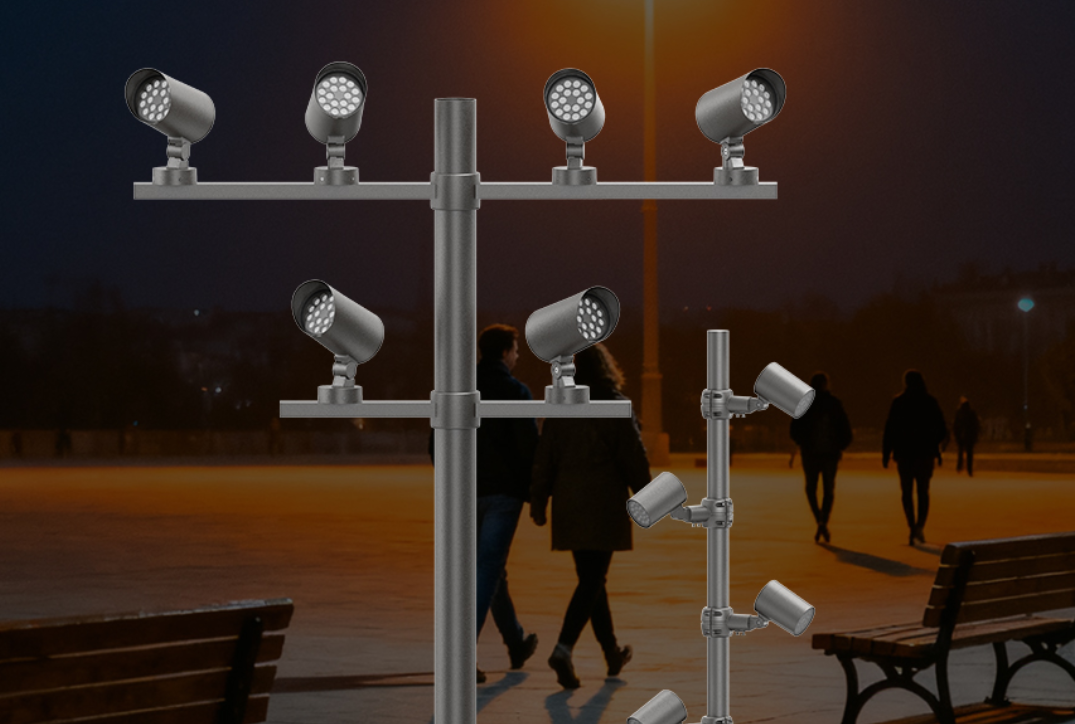




I. Core Metrics: The “Iron Triangle” for Evaluating Outdoor LED Floodlights
The outdoor environment is complex and ever-changing, with extreme cold, intense heat, wind, and rain constantly testing the reliability of lighting fixtures. Therefore, a qualified outdoor LED floodlight must meet the following three core requirements:
1. Protection Rating: The “Shield” Against Harsh Weather This is the fundamental guarantee for an outdoor fixture’s survival. Always check the product’s IP Rating. * IP65: Completely dust-tight and protected against low-pressure water jets. Suitable for sheltered facades or under eaves; a basic choice. * IP66: Strongly dust-tight and protected against powerful water jets or heavy seas. This is the recommended standard for the vast majority of outdoor projects (e.g., building facades, plazas, bridges), capably handling severe weather like rainstorms. * IP67/IP68: Provides a higher level of water resistance, capable of withstanding temporary or continuous immersion. Suitable for areas that may be submerged, such as water features, low-lying areas, or underpasses.
【Selection Advice】 To ensure long-term stable operation, it is strongly recommended to choose floodlights with an IP66 rating or higher. For critical projects, IP67/IP68 provides a greater safety margin.
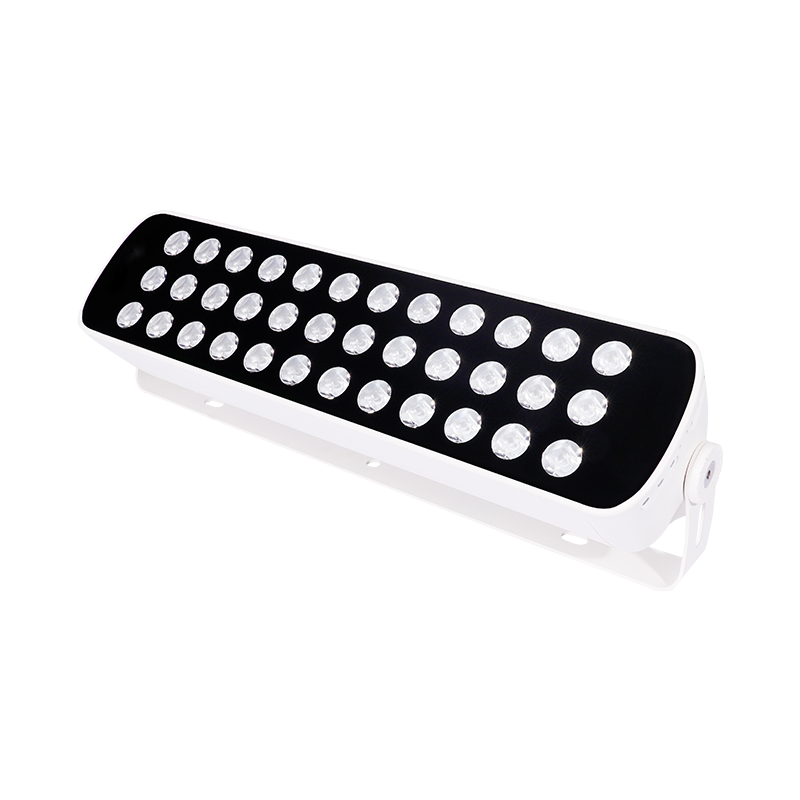
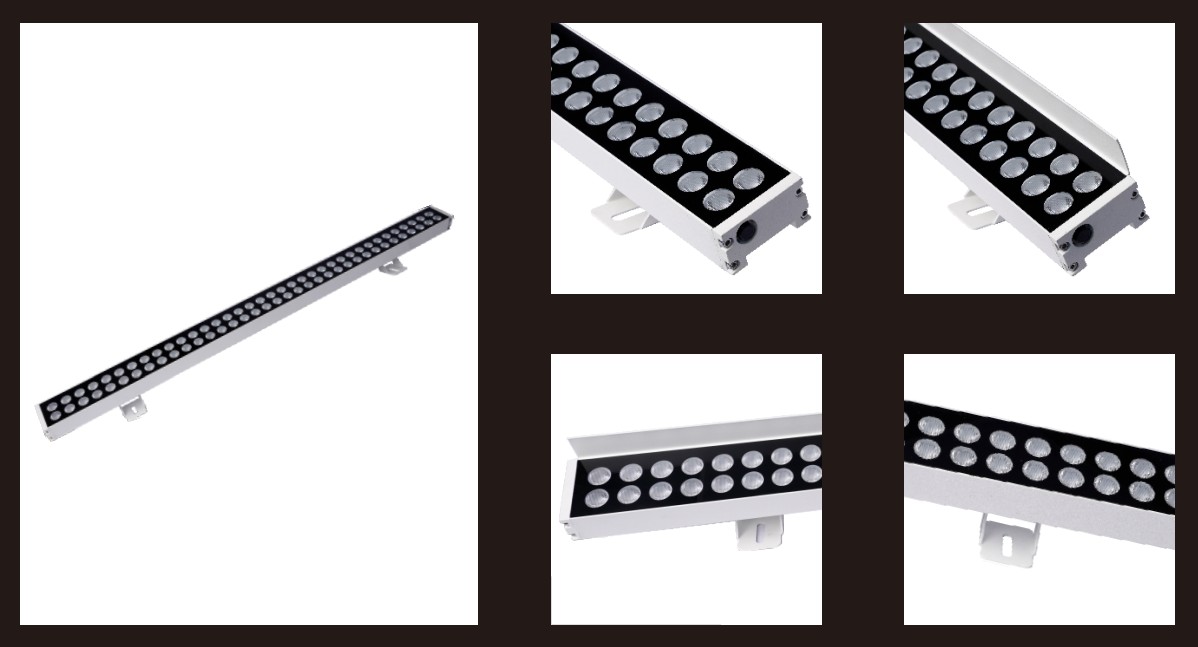
2. Material & Heat Dissipation: The “Foundation” for Long-Term Performance * Housing Material: High-pressure die-cast aluminum housing is the preferred choice. It offers high strength, impact resistance, excellent heat dissipation, and corrosion resistance, effectively handling outdoor temperature variations and chemical erosion. * Heat Dissipation System: LED chips are sensitive to temperature. Efficient heat dissipation design directly determines the rate of lumen depreciation and the fixture’s lifespan. Look for features like dense cooling fins, large contact area, and potential thermal paste filling – all signs of good heat management.
3. Optical Performance & Light Distribution: The “Core” Determining Lighting Effect * Beam Angle & Throw Distance: The essence of a floodlight is its control over light. Select the appropriate beam angle (e.g., narrow spot, medium flood, wide flood) and effective throw distance based on your illumination distance and area requirements. * Color Temperature & Color Rendering Index (CRI): * 3000K (Warm White): Creates a warm, elegant atmosphere, often used for hotels, ancient towns, residential facades, etc. * 4000K (Neutral White): Offers clean, natural light with the widest applicability; a common choice for modern architecture, plazas, and sports facilities. * 5700K+ (Cool White): Emphasizes structure and a modern feel, suitable for applications requiring high clarity and alertness, such as stadiums, industrial facilities, and monuments.
II. Advanced Features: Achieving Smarter, More Efficient Lighting
Modern LED floodlights have evolved beyond simple illumination, with integrated smart controls becoming a trend:
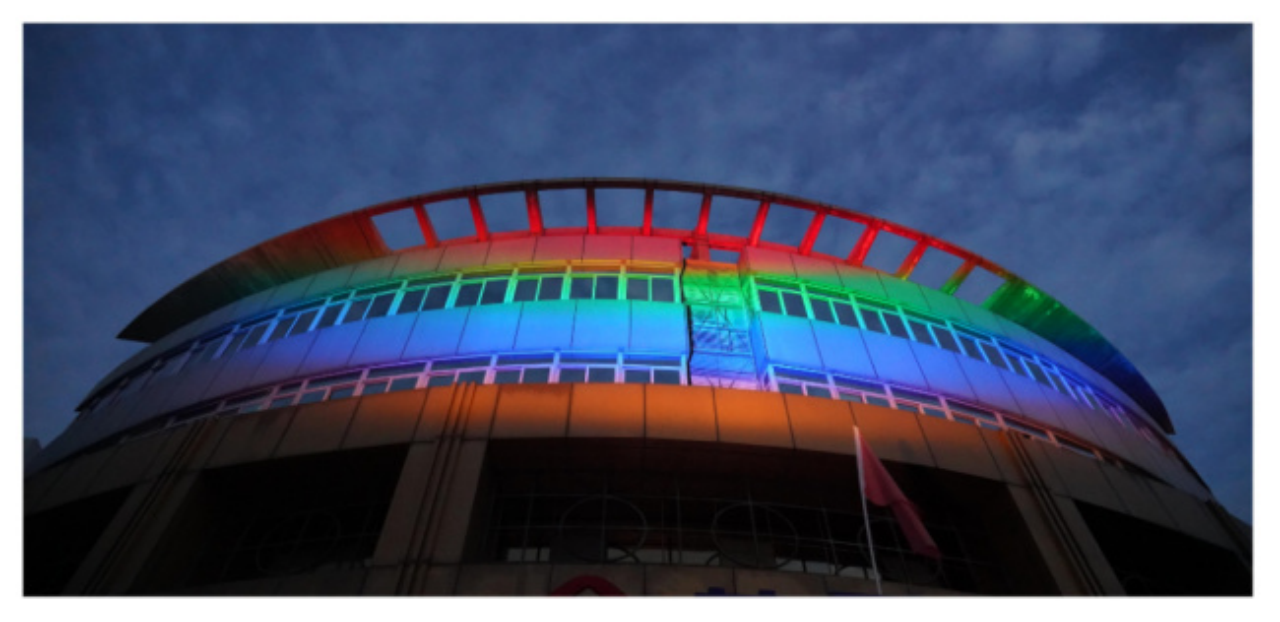
• DMX512 Control: Suitable for professional applications requiring dynamic color changes and scene switching, such as stages, media facades, and large-scale landscape lighting.
• Smart Dimming & Sensing: Integrates light sensors for automatic on/off operation, or supports dimming protocols like 0-10V/DALI to adjust brightness on demand, achieving secondary energy savings.
• Modular Design: Allows for quick replacement of lenses, light source modules, or drivers, greatly simplifying future maintenance and reducing lifecycle costs.
III. Scenario-Based Recommendations: Precise Matching for Multiplied Effect
Based on the factors above, here are optimized solutions for different scenarios:
• Building Facade Lighting: Choose floodlights with IP66 rating, narrow/medium beam angles, high CRI (Ra>80), and dimming capability to accurately outline architectural structures and create different day/night lighting effects.
• Landscaping / Monuments: Require floodlights with IP66 or higher rating, multiple selectable beam angles, and low to medium power. Use light and shadow combinations to highlight the three-dimensional form and texture of trees and sculptures.
• Stadiums / Large Plazas: Must use professional-grade floodlights with IP66/IP67 rating, high power, narrow beam angles, and cool white light to ensure high illuminance and uniformity even over long throw distances.
• Underwater / Immersed Environments (e.g., Fountains): Can only use specialized underwater floodlights with an IP68 rating, ensuring they have the corresponding pressure resistance and corrosion resistance capabilities.